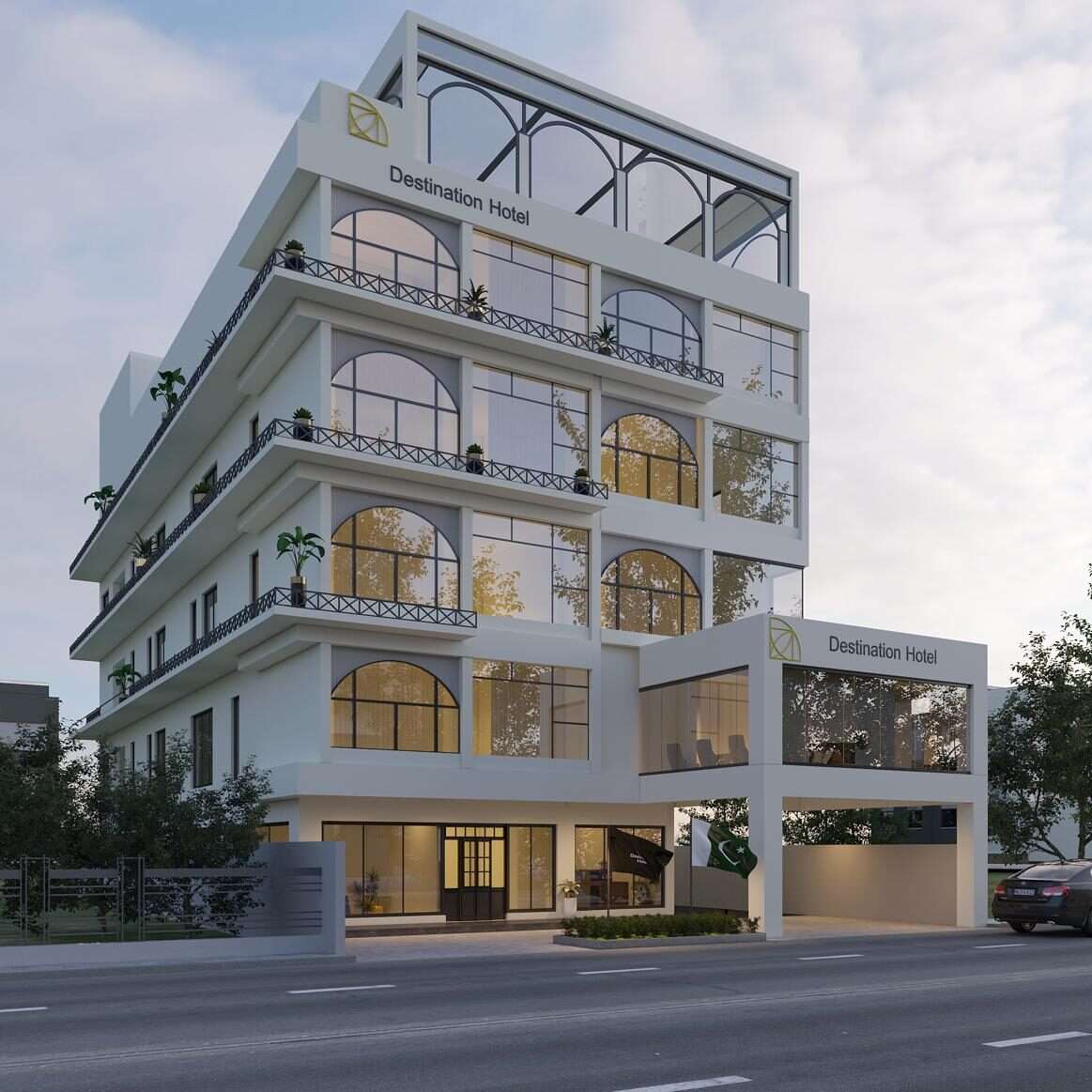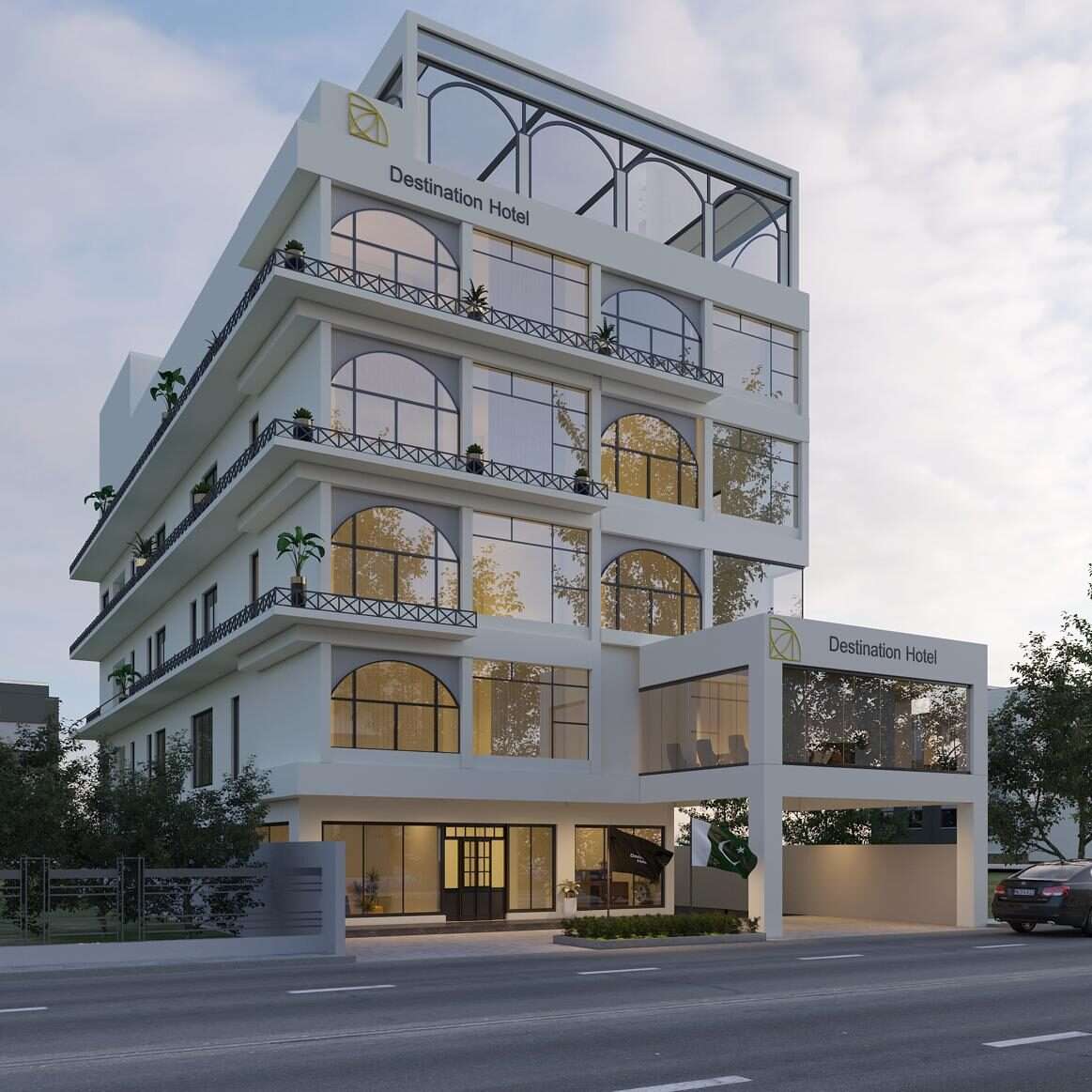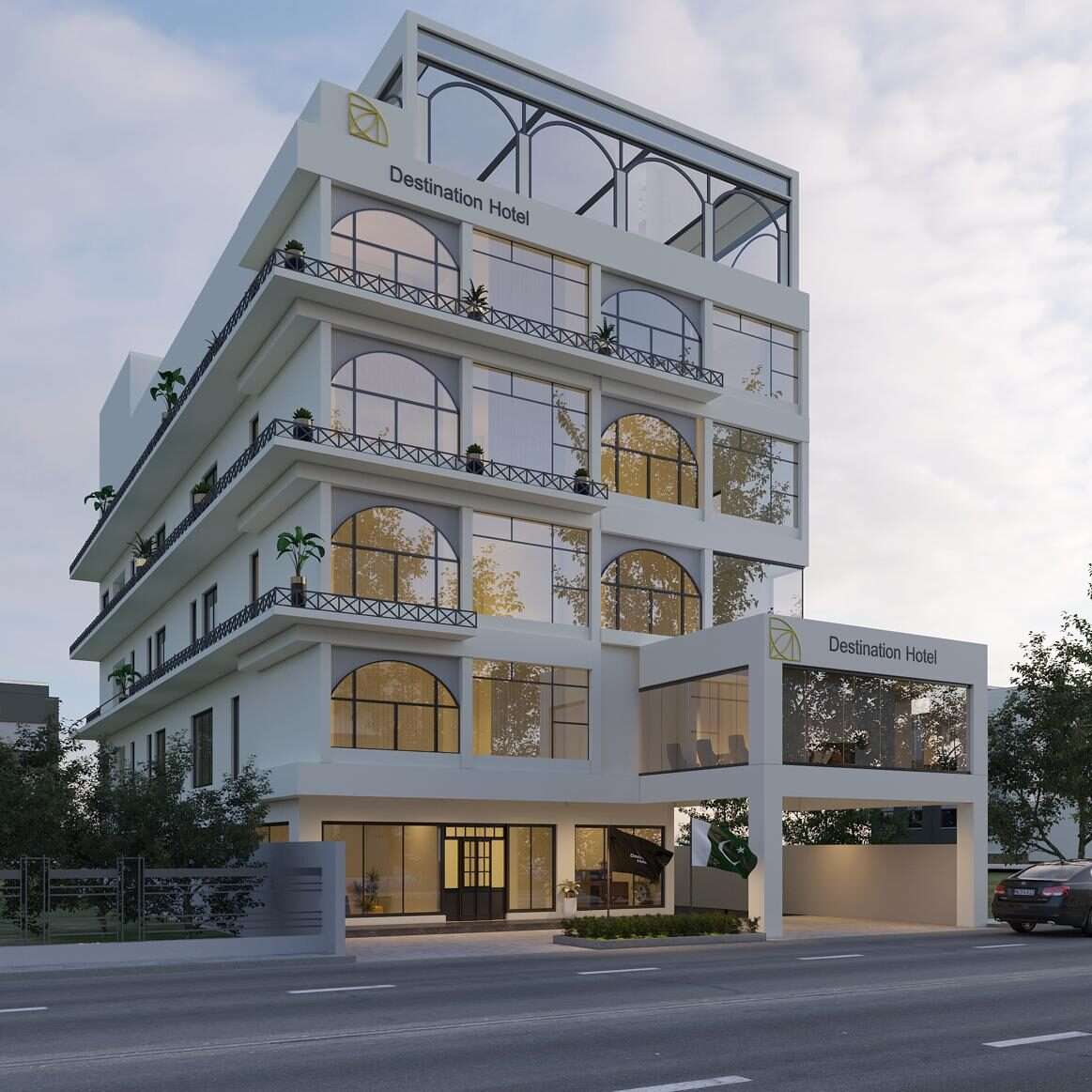
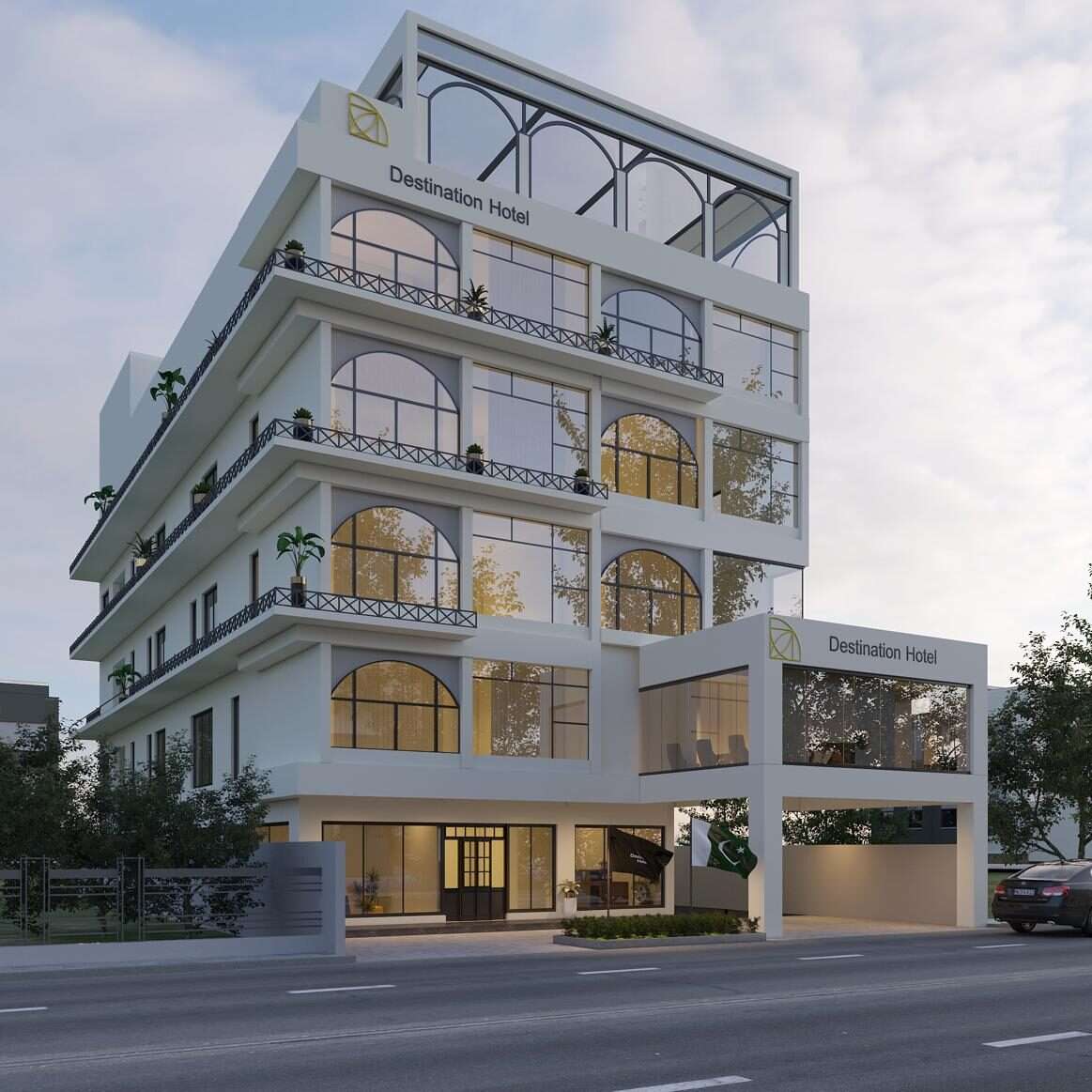
Commercial construction requires a different approach from residential projects because functionality, customer movement, visibility, services, structural requirements, and long-term operational needs must all be considered.
Important Considerations
1. Commercial Planning
The layout should support the intended business activities and customer experience.
2. Architectural Design
The building façade should provide a professional identity while responding to functional requirements.
3. Structural Requirements
Structural design must account for building size, occupancy, loads, spans, and project-specific requirements.
4. MEP Coordination
Electrical, plumbing, HVAC, fire safety, and other building services should be properly coordinated.
5. Accessibility & Circulation
Entrances, stairs, elevators, corridors, parking, and movement areas should be planned efficiently.
6. Material Selection
Commercial buildings require durable materials capable of handling regular use and maintenance demands.
7. Project Management
Proper scheduling and coordination between different teams helps reduce delays and construction conflicts.
Conclusion
Successful commercial construction combines architecture, structural engineering, MEP coordination, material selection, and professional project execution. A well-planned approach helps create a commercial property that is functional, durable, and visually distinctive.